1980–1986 · Project Erika

Ford Escort Mk3

A complete break from the past: front-wheel drive, a hatchback and the new CVH engines. It won European Car of the Year in 1981, sold in huge numbers, and the XR3i became the hot hatch every 1980s teenager wanted.
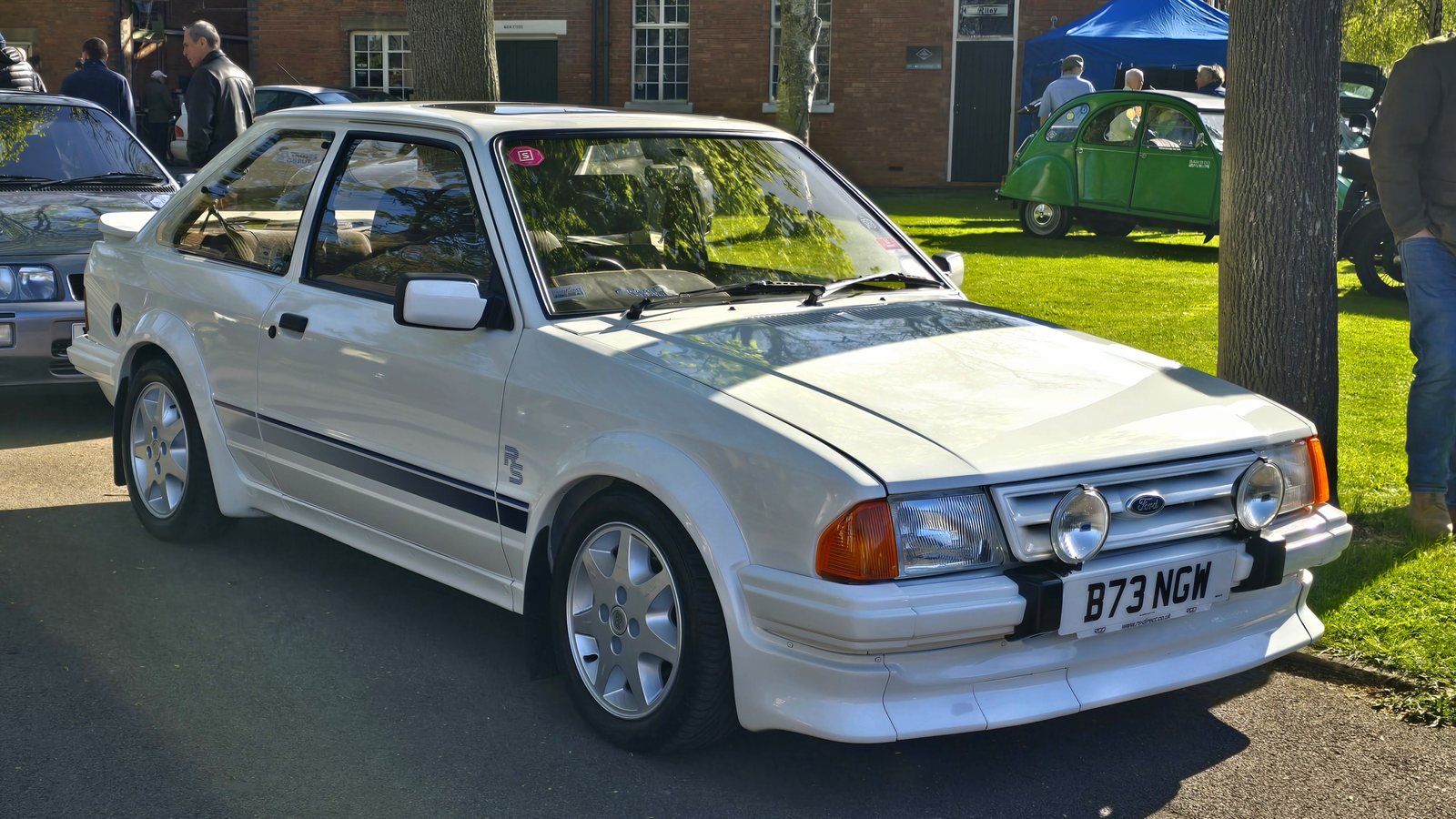
Ford Escort Mk3 RS Turbo Series 1
Ford Escort Mk3 RS Turbo Series 1. Photo: Calreyn88 / CC BY-SA 4.0, cropped

Key facts

Built
Halewood (UK) and Saarlouis (Germany). Cabriolet bodies by Karmann
Layout
Front engine, front-wheel drive
Bodies
3/5-door hatchback, estate, van, Cabriolet (from 1983)
Engines
1.1 Valencia OHV; 1.3 & 1.6 CVH; 1.6 diesel; 1.6 CVH turbo
Trims
Popular, L, GL, Ghia, XR3, XR3i, RS1600i, RS Turbo S1, Cabriolet
Award
European Car of the Year 1981
Parts supplyMechanical good, trim poor
Fake riskMedium
Values trendRising fast

What makes a good one

Originality is everything. Most Mk3 hot hatches were modified, crashed, stolen or run into the ground, so an unmodified XR3i with its original wheels, spoilers, seats and trim is now worth a clear premium. Early XR3s used a carburettor, while the XR3i (from 1982), RS1600i and RS Turbo used Bosch K-Jetronic mechanical fuel injection.

Models & specifications

Escort Mk3 models

Specifications are approximate period figures. Value ranges are indicative UK prices for good to excellent cars in 2026; see the full price guide.

Mk3 XR3i

1982–1986
£10k–£22k

Pepperpot alloys, a double rear spoiler and a big reputation. The definitive 1980s hot hatch.

  • 1597cc CVH, fuel injection
  • 105 bhp
  • 0–60 8.6s
  • 116 mph

Mk3 RS1600i

1981–1983
£15k–£35k

Built to homologate the Mk3 for Group A racing. Firmer, faster and rarer than the XR3i.

  • 1597cc CVH, fuel injection
  • 115 bhp
  • 0–60 8.7s
  • 118 mph

Mk3 RS Turbo S1

1984–1985
£25k–£55k

Series 1 cars were all white, with one famous exception built for Princess Diana. It had a viscous limited-slip differential when few hot hatches did.

  • 1597cc CVH turbo
  • 132 bhp
  • 0–60 8.1s
  • 125 mph

Common faults

  • Rear wheel arches, sills and jacking points. The rear arches are the classic Mk3 rot spot
  • Front wing tops and the panel below the headlamps
  • K-Jetronic injection: hard hot-starting, fuel accumulator and metering head faults
  • CVH hydraulic tappet rattle, oil leaks and cambelt neglect
  • RS Turbo: turbo oil seals, boost leaks, a tired limited-slip differential
  • Worn interior plastics and XR/RS seat fabric, with scarce replacements
  • Cabriolet hood frames, rear window seals and water in the floor

Walk-away signs

  • An "RS Turbo" with XR3i trim, a non-RS VIN and no documentation
  • Recorded as stolen and recovered, or a previous write-off, with no repair evidence
  • Heavy smoke and low boost on a turbo car sold as "just needs a service"
  • Crusty rear suspension mounts inside the boot

Where the Mk3 rusts

Check each of these areas, in this order, at any viewing.

  1. Front panel below the headlamps
  2. Front wing tops
  3. Front subframe and mounts
  4. Scuttle and A-pillar bottoms
  5. Sills and jacking points
  6. Door bottoms
  7. Rear wheel arches
  8. Rear suspension mounts inside the boot
  9. Tailgate lower edge
  10. Spare wheel well and rear valance

Full buying guide and checklist →

Free 46-page PDF

Don't buy a
£40k mistake.

A fake Mexico or a rotten RS2000 can cost you more than the car. The Escort Buyer's Bible is 46 pages of what the specialists check, written for people about to hand over real money.

  • Chassis and VIN checks to spot a genuine RS
  • Rust maps for every generation, Mk1 to Mk6
  • Price guide covering 31 models, from Harrier to Cosworth
  • Printable inspection score sheet

Get the free Buyer's Bible

We use your details to send you the guide and, only if you tick the box, occasional emails. See our privacy notice.